CONFERENCE MATERIALS & Insights
Featured Materials
-
The Next Seven Generations: Our Shared Future Primer
-
The VRGM Findings and Report
-
The VRGM PRIMER
-
OCA Findings and Report
-
The OCA Conference Primer
-
The Values Driven Economy Post Conference Report
-
TVDE Conference Primer
FNMPC 2026 Conference insights
What keep Air Canada and Vale Based Metals coming back to FNMPC is the depth of the conversations. They’re connecting with Nations and partners who are ready to talk through real opportunities and real solutions, the kind of exchange that goes well beyond a handshake and a business card.
The breadth is what sets it apart: leaders and decision makers from across Canada and globally, all in the same room, at the same conference. And those conversations don’t end when it wraps. They turn into follow-up meetings, new relationships, and real progress on projects.
Cenovus and Gowling WLG describe watching FNMPC grow firsthand, from a handful of Nations in BC to a coalition spanning the country, Gowling WLG as a Sustaining Partner since the program’s earliest days. Both point to an alignment FNMPC itself recognized, between the work Cenovus was already doing with Indigenous communities and FNMPC’s own mandate.
Both call it a partnership they don’t take lightly, the kind FNMPC’s Sustaining Partners program is built to deepen, and one that shows up every April at the Annual Conference.
WSP and EY describe meaningful partnership as long-term, trust-based relationships that create shared value, not a one-off transaction. In their work, that shows up through co-designed monitoring programs, Indigenous-led data collection, and long-term involvement in environmental management, not short-term mitigation.
Partnership starts with recognizing Nations as rights holders and decision makers. FNMPC helps bridge the complexity of major projects so Nations can lead on their own terms and at their own pace, the same work its Sustaining Partners program is built to support, and one that comes together every April at the Annual Conference.

Rohitesh Dhawan, CEO of ICMM, on the business case for partnership with First Nations: investors and mining companies need to prove they can deploy capital responsibly, and the industry’s track record on projects built on time and on budget hasn’t been strong. For member Nations, that track record is exactly where your value sits: strong relationships with your Nation are what derisks a project from permitting through operations.
Direct access changes how you work. WSP in Canada and Air Canada describe hearing straight from First Nations leaders about what industry gets right, what it gets wrong, and where expectations are shifting on equity, environmental oversight, and Indigenous participation. That feedback shapes how teams are trained and how clients are advised, moving from transactional engagement toward governance-first approaches.
Dave Forestell, Vice President, Operations Services, US Natural Gas at TC Energy, on Canada’s generational opportunity in energy and critical minerals: nearly every major project sits next to First Nations, making collaboration essential. Government is finally catching up to what First Nations have said all along: partnership means hiring and contracting, but it also means equity ownership in the projects. For member Nations, that shift from being a stakeholder to being an owner is the whole point.

Vale Base Metals and WSP describe a real shift in how they approach Indigenous partnership, from managing it as a risk to recognizing it as an opportunity to build shared value and make stronger decisions together. First Nations aren’t just advising anymore. They’re increasingly directing outcomes.
Projects that bring Indigenous decision-making authority in early move forward with more legitimacy and last longer. FNMPC has helped accelerate that shift, one Vale Base Metals and WSP say keeps growing year over year.

Stuart Chambers, Chair of Anglo American, on why business partnerships between First Nations and industry matter more now than ever: the world is facing a supply gap on the minerals needed for electrification and decarbonization, and getting there fast enough depends on genuine partnership between governments, industry and First Nations. For members, this is a straightforward statement from industry: without genuine partnership, the minerals do not get developed fast enough.
Clint Davis, CEO of Cedar Leaf Capital, on why Canada can’t develop its resource economy without First Nations: as new tools like Indigenous bonds emerge and asset managers grow hungry to invest, we’ll see bigger positions of Indigenous ownership in major projects, and more communities leading those projects rather than just joining them.

Jonathan Davey, Managing Director of Indigenous, Government, and Defence Advisory, Investment Banking at Scotiabank, on dual-use infrastructure as an opportunity that serves both defence readiness and community needs: transportation, power, telecom, connecting northern communities. These are needs that have existed in First Nations for a very long time, and they’re also what defence operations depend on to function. For members, especially in the north, this reframes long-standing infrastructure gaps as leverage: government and industry now need what your community has needed all along, and that changes the terms of the conversation from consultation to partnership.

John Stackhouse of RBC calls the FNMPC Annual Conference one of the gems of the year, and he looks forward to it for months. Each year, thousands of people from across Canada and around the world gather for great conversations, new friendships, and a shared goal of advancing economic reconciliation.
Thank you to RBC, our 2027 Title Sponsor, for their partnership as we get ready for the 10th Annual Conference, April 11 to 13, 2027, at the Sheraton Centre Toronto.
FNMPC 2025 Conference insights
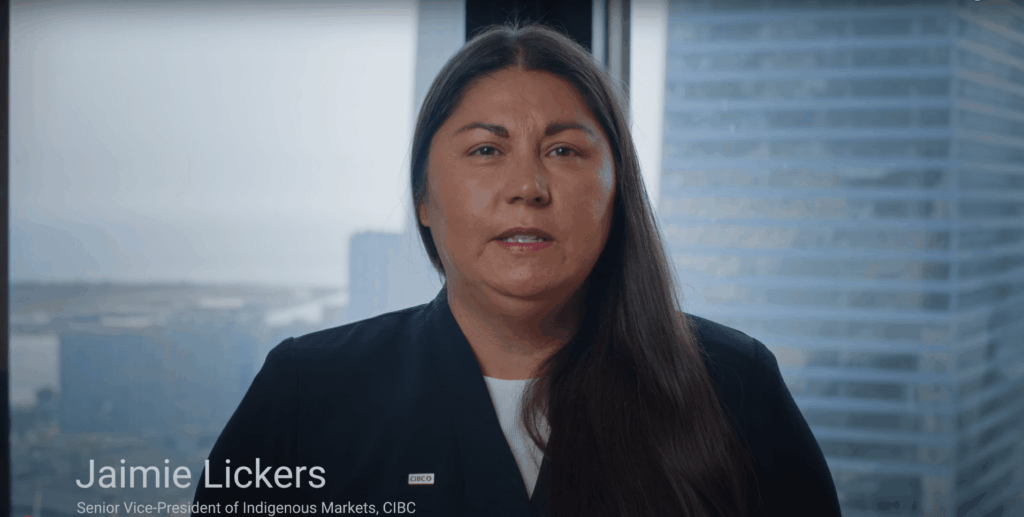
CIBC
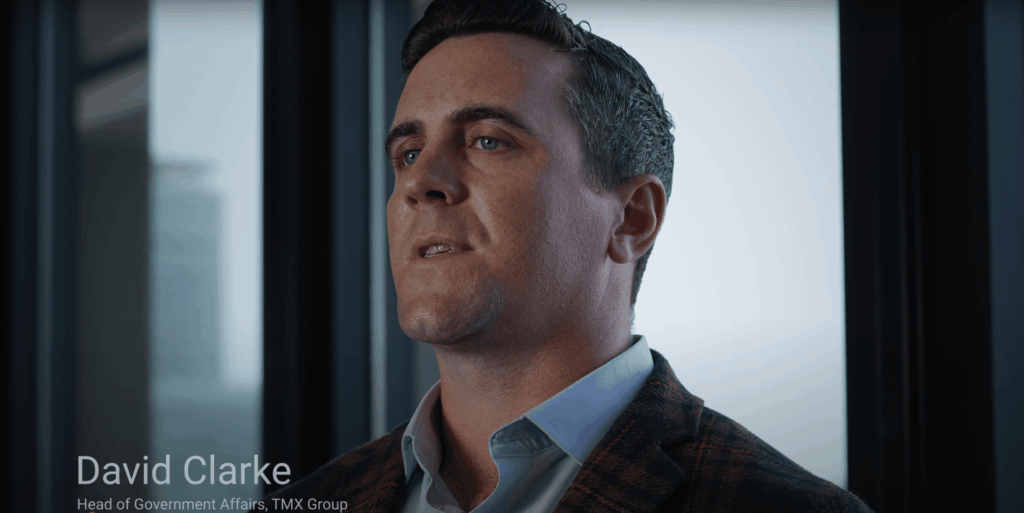
TMX Group
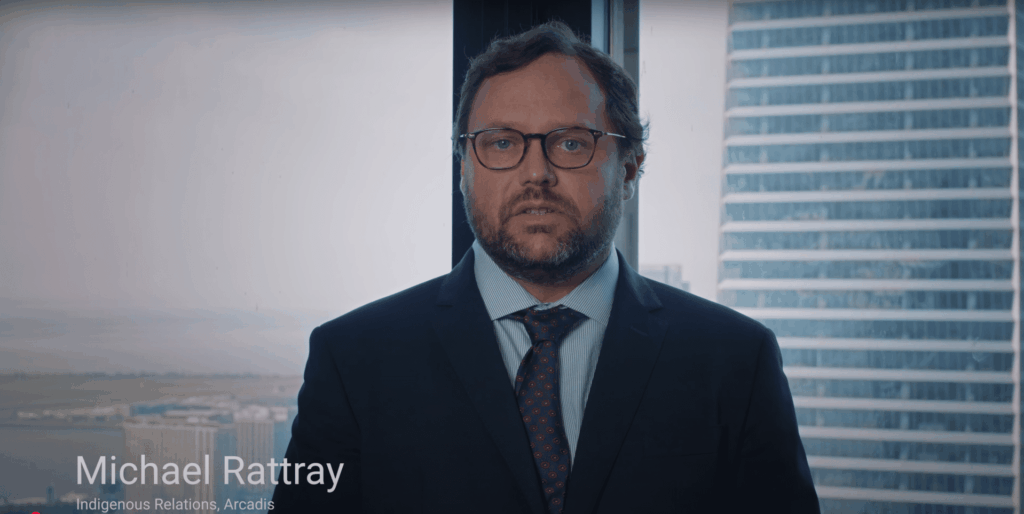
Arcadis
Torys
Cenovus Energy
Air Canada
WSP Canada
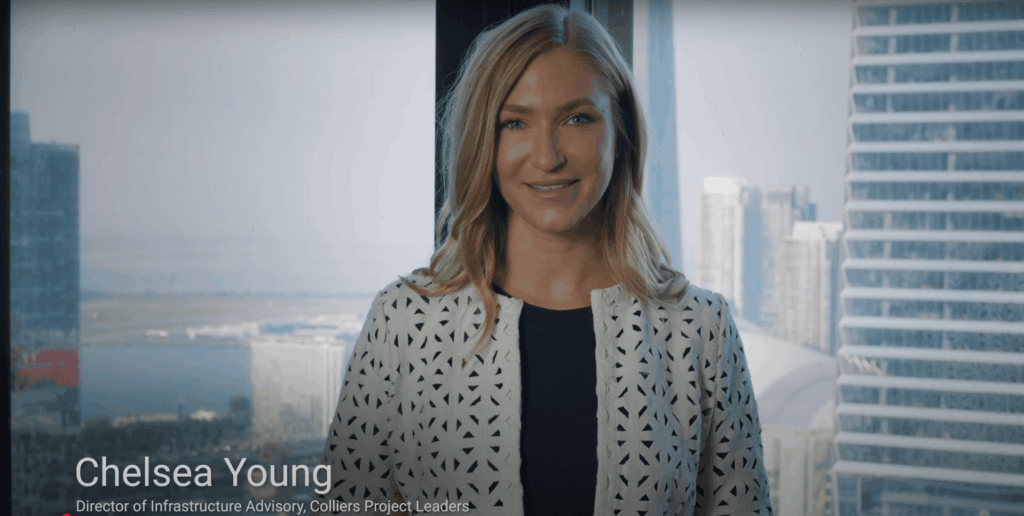
Colliers Project Leaders
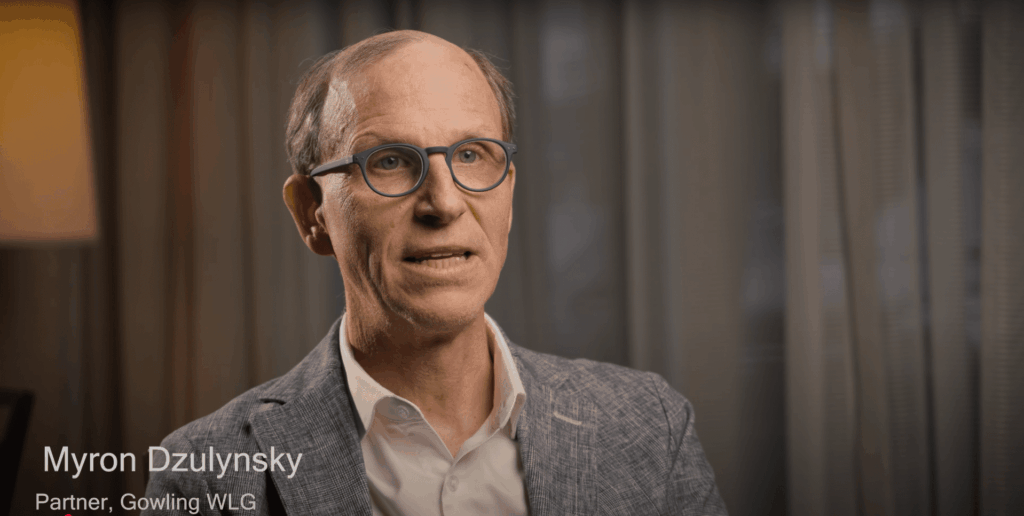
Gowling WLG
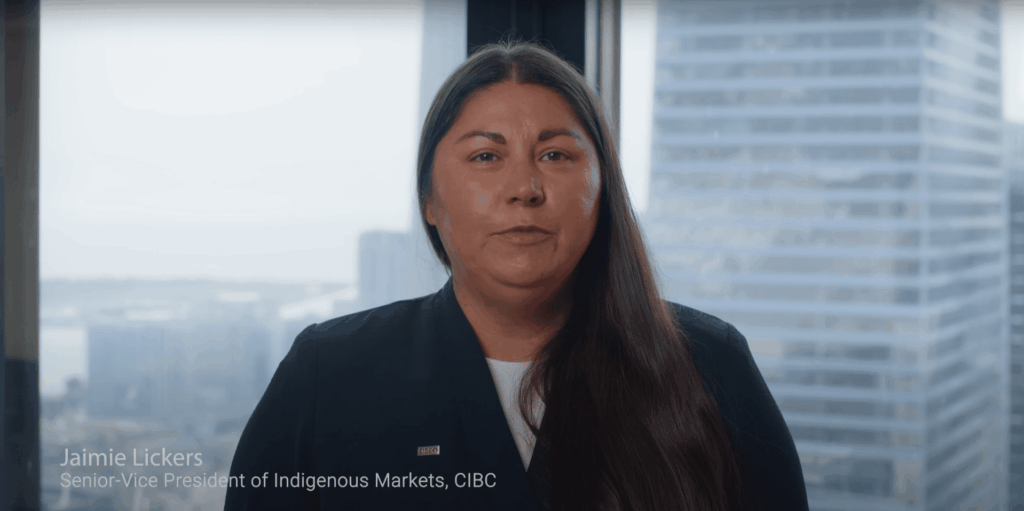
Financial tools and strategies to prioritize economic reconciliation efforts
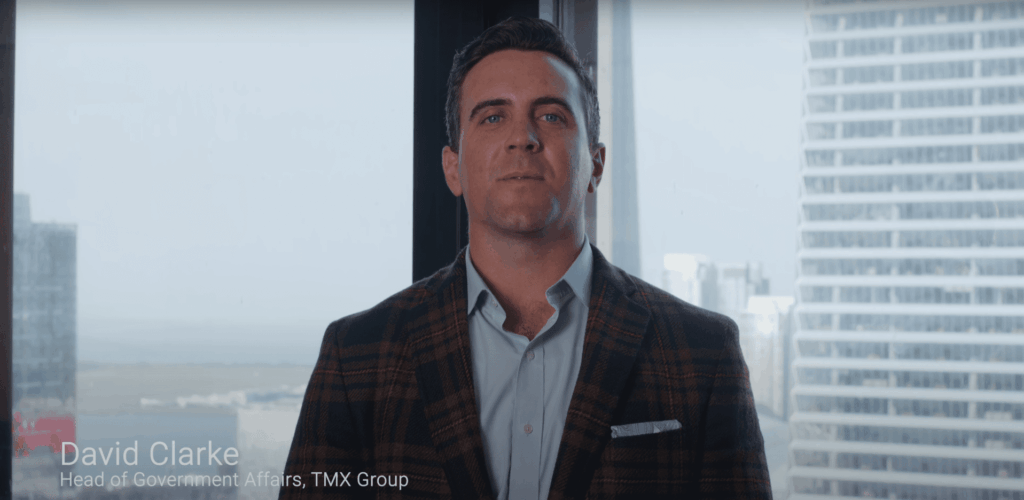
The evolution of capital markets to meet demand for investments that align with Indigenous rights and reconciliation

Leveraging Indigenous competitive advantage to rebuild Canada
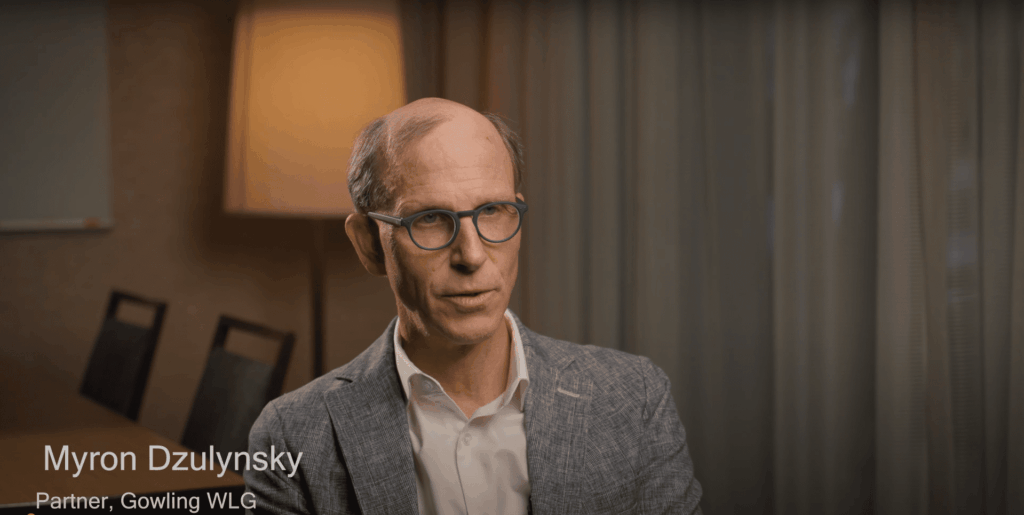
Insights to create successful Indigenous partnerships
FNMPC 2025 Speaker insights
-
Indigenous communities impact on the cross-national transportation and value chain
Tracy Robinson, President and CEO of CN leads one of the most critical elements of transportation…
-
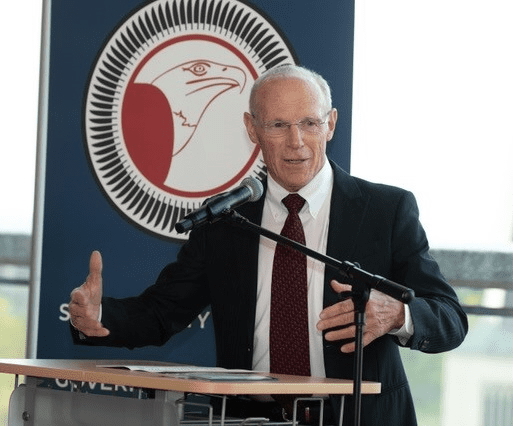
How can wellbeing of Indigenous peoples ensures sustainable enterprises and operations for all stakeholders
For nearly four decades, Dr. Joseph Kalt, Ford Foundation Professor of International Political…
Explore fnmpc 2024 conference themes

Indigenous nations aren’t just part of Canada’s net-zero future—they’re leading it. Advancing strategies and projects by articulating Indigenous perspectives concerning investment standards and sustainable business practices.

Supporting Indigenous Nations to access competitively priced capital is a core element of advancing Indigenous economic reconciliation.
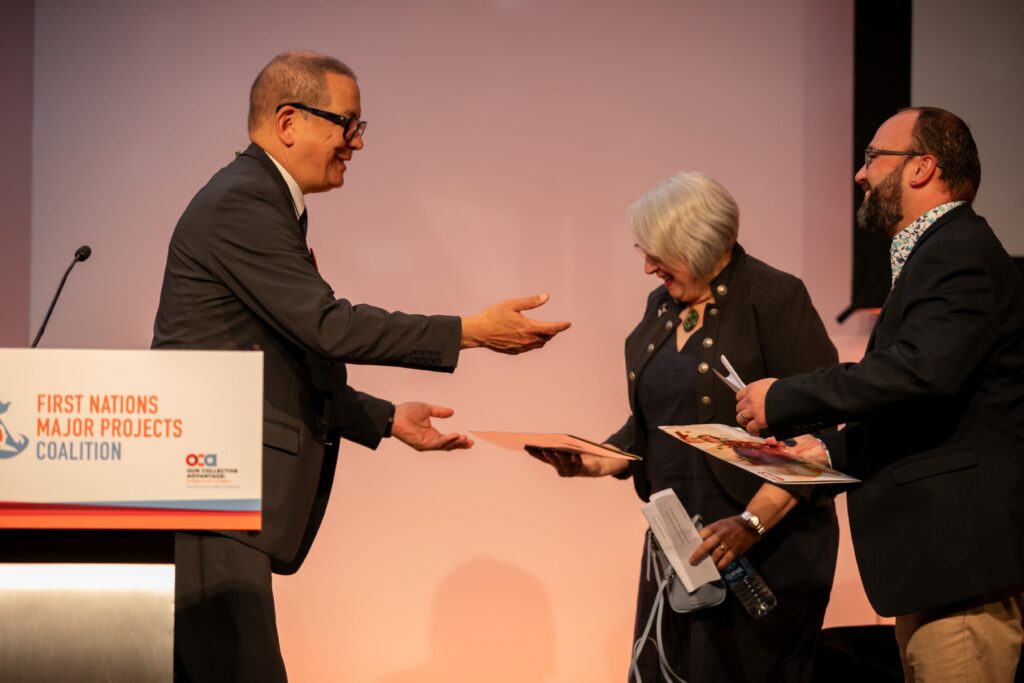
Basing major project planning and implementation on Indigenous leadership and values can lead to more sustainable and ethical outcomes.

Indigenous free, prior, and informed consent on critical mineral supply projects is key to the success of critical mineral projects getting approved and built.
FNMPC 2024 LinkedIn Live Series
Exclusive conversations that help set the stage for the FNMPC 2024 conference, Our Collective Advantage: Indigenous Consent (OCA).
Past Material
-
Toward Net Zero by 2025: Post-Conference Report
The Toward Net Zero by 2050 conference hosted by the First Nations Major Project Coalition (Canada) and First Peoples Worldwide (US) on April 25-26, 20221, in Vancouver, Canada convened professionals interested in the Indigenous-led net zero transition. Read the full report here.
-
TVDE 2023 Conference Primer
All net zero projects, such as clean energy projects, electrical transmission lines, and battery mineral supply projects, will be built on Indigenous lands. Centering Indigenous nations’ values and partnerships in proposed developments strengthens projects by improving outcomes that are not only important to First Nations, but increasingly to ESG-focused investors. Read the full primer here.
-
2022 Event Primer
Canada and the United States must achieve net zero carbon neutrality by 2050 or risk contributing further to the catastrophic consequences of global climate change. This conference primer explores four important areas of transitioning to net zero that are, or may increasingly become, important to Indigenous nations in the United States and Canada.
-
Roadmap in Investing to Canada: Indigenous Inclusion in ESG
This post-conference report summarizes major findings from the First Nations Major Projects Coalition Indigenous Sustainable Investment Conference, presented online on March 18 – 19, 2021.